
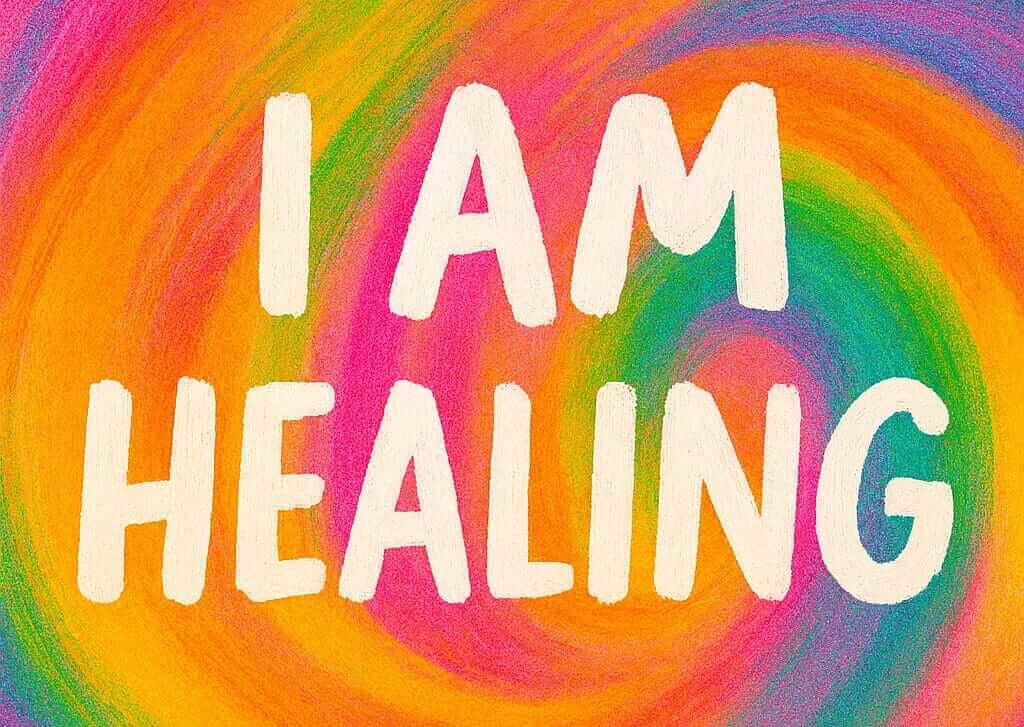
When the Targeting Ends — But the Aftermath Doesn’t
I Am Starting to Relax!
For years, I lived in a state of alert. Every notification, every search result, every mention of my name felt like a potential threat. Even after the toxic websites targeting me slowly started disappearing this past year, a part of me still waited for the next attack to come. My mind is starting to accept it isn’t coming!
I wasn’t just reacting to words on a screen — I was responding to years of conditioned fear and trauma. It isn’t the first time these toxic people have disappeared and removed content, as they liked playing games with me.
Retirement from work has given me a remarkable sense of peace and freedom, allowing me to heal at my own pace. It helped to know that I no longer need to impress anyone! I do my site for me, to preserve my name from others who want to abuse it. If toxic people give anyone my name, they find my content, not theirs. I have held firm to that for almost 5 years, but now their content is gone.
That’s the strange reality of surviving sustained online harassment: even when the harassment ends, the impact doesn’t instantly evaporate. It is getting there, though! I am ready for a change.
The Echo of Old Wounds
Research shows that for many people who’ve been harassed online, the fallout can linger long after the last harmful post is gone. People report ongoing feelings of anxiety, fear of going online, and even reputational damage that can affect future connections and opportunities. Pew Research Center
Cyberbullying and sustained digital harassment aren’t just annoying: they embed themselves into a person’s psyche. Chronic stress from being targeted online can lead to persistent anxiety, sleep disruptions, and a heightened sense of vulnerability long after the digital attacks fade. Internet Safety Statistics
Why It Still Feels Hard — Even Now
It’s easy for others to assume that once the harassment stops, you should simply “move on.” But here’s the truth: the brain remembers what it survived. I know mine does.
Being a long-term target for 9 years teaches your nervous system that the world is unsafe, that someone could strike without warning, that pain can come from the place you least expect — the internet, a search result, a domain name.
Even though the toxic websites are no longer registered, and the online campaigns have faded into the background, the emotional imprint can remain. It takes time, sometimes years, to retrain your mind to feel safe online again.
Healing Isn’t a Switch — It’s a Process
It’s one thing for external threats to disappear. It’s another step for the internal fear.
-
I remember the days when checking search results sent a spike of fear through my body.
-
I recall the tension of watching domain histories change, waiting to see if the old pain might resurface.
-
And I know how long it took to genuinely feel peaceful when my name appeared online, put there by others, without that gut-wrenching dread. It took years for that!
This isn’t unusual. People who’ve been bullied, whether in person or online, often find that the psychological effects can persist long after the abuse stops. Some carry anxiety, lowered self-esteem, or nervous anticipation into spaces that should be safe. Internet Safety Statistics
The Invisible Scars Are Real
Sometimes people say, “Well, the harassment is gone. Why doesn’t that mean peace?”
The short answer: because healing after trauma, especially chronic stress or harassment, is not automatic. Even when the source of pain is gone, your mind and body can hold onto the memory of it.
The aftermath of online harassment can manifest as:
-
anxiety around being visible online
-
hesitation to engage openly
-
hypervigilance that returns when something doesn’t feel quite right
-
emotional residue tied to years of stress and worry
These experiences are not your imagination — they are documented outcomes for many who’ve been targeted. Pew Research Center
But There Is a Shift — Even If It’s Slow
What has changed — irrefutably — is this: I am no longer a target online by toxic tenants.
The websites are gone. The domain names are no longer registered to them. The campaigns that once dominated search results have disappeared. Those things matter, not just technically, but spiritually.
But healing takes time.
It takes time to let your nervous system relax.
It takes time to trust again.
It takes time to believe that your name can exist online without harm attached to it.
That struggle — the internal work after the external threat is gone — is one of the hardest parts of recovery. It’s a reminder that trauma doesn’t end when the harassment stops; it ends when you stop reliving it. And that, my friend, takes time, compassion, and patience.
To Anyone Still Healing
If you find yourself feeling almost free but not quite there yet, know this:
You are not weak.
What you’re feeling makes sense.
Healing is real — and it does come in its own time.
The world doesn’t teach us well how to recover from targeted online abuse. But if you’ve survived the harassment, you can survive its aftermath too — one day at a time.
You are more than what they tried to make you.
You are reclaiming your narrative — and that’s a victory in itself.
Discover more from Stella Reddy's Story of Hope
Subscribe to get the latest posts sent to your email.

