
Understanding Narcissistic Immaturity in High‑Conflict Moments
Conflict with a narcissistic person rarely feels like conflict between two adults. It feels chaotic, destabilizing, and strangely juvenile—because it is. It is very confusing! Emotional maturity is the foundation of healthy communication, and when someone lacks it, every disagreement becomes a performance of power, not a conversation. See it in action here: Toxic Tenant Bullies Original “Statement of Facts.”
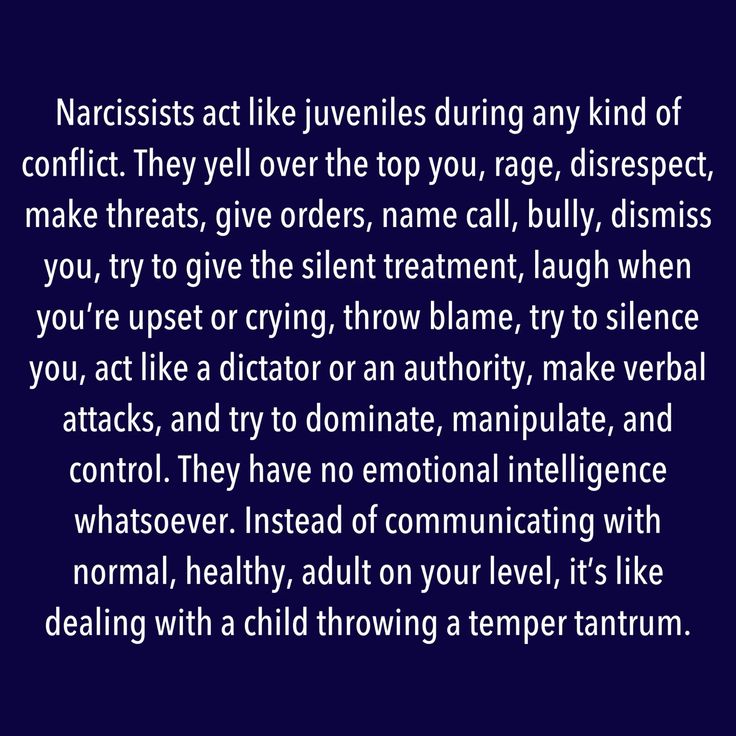
The text below captures this dynamic clearly:
Narcissists act like juveniles during conflict. They yell over you, rage, disrespect, make threats, give orders, name‑call, bully, dismiss you, give the silent treatment, laugh when you’re upset or crying, throw blame, try to silence you, act like a dictator or an authority, make verbal attacks, and try to dominate, manipulate, and control. They lack emotional intelligence. Instead of communicating like a healthy adult, it’s like dealing with a child having a temper tantrum.
This description resonates with so many survivors because it names what they’ve lived: the mismatch between your adult self trying to communicate and the emotionally stunted behaviour coming back at you.
Why These Behaviours Feel So Disorienting
Healthy conflict relies on skills like emotional regulation, empathy, accountability, and perspective‑taking. Narcissistic individuals struggle with all of these. When they feel criticized, challenged, or exposed, they default to primitive defence mechanisms—fight, flight, or freeze—often expressed through:
- yelling or talking over you
- rage or intimidation
- blame‑shifting
- mockery or contempt
- stonewalling or silent treatment
- authoritarian posturing
- verbal attacks
- attempts to dominate or control
These aren’t “communication styles.” They’re dysregulated reactions rooted in emotional immaturity. You’re not dealing with an equal partner in dialogue; you’re dealing with someone whose internal world cannot tolerate discomfort, accountability, or vulnerability.
That mismatch is what leaves survivors feeling confused, exhausted, or even questioning their own reality.
The Emotional Immaturity Behind the Behaviour
When someone lacks emotional intelligence, conflict becomes a threat rather than an opportunity to understand each other. Narcissistic individuals often:
- interpret disagreement as disrespect
- experience boundaries as rejection
- view accountability as humiliation
- see compromise as losing
- treat emotional needs as inconveniences
This is why even small conversations can escalate into chaos. You’re trying to resolve something; they’re trying to protect their fragile self‑image at all costs. Memories: Looking Back at June 2020: What That Email Exchange Taught Me
The result is a dynamic that feels less like adult communication and more like managing a child’s tantrum—except the “child” has adult power, adult language, and adult consequences.
How Survivors Can Reclaim Their Ground
You cannot force emotional maturity into someone who refuses to develop it. But you can protect your own clarity and stability. I struggled with this one for a bit…but with education, determination, and perseverance, I managed to get through.
A few grounding principles help:
- Name the pattern — Recognizing immaturity for what it is reduces its power.
- Stay anchored in your own emotional regulation — Their chaos doesn’t have to become yours.
- Set boundaries around what you will and won’t engage with — You don’t have to participate in yelling, threats, or disrespect.
- Shift from defending yourself to observing the behaviour — “This is not a productive conversation” is more powerful than arguing point‑by‑point.
- Document patterns when needed — Especially in ongoing or escalating situations.
These strategies aren’t about “winning.” They’re about preserving your well-being in the face of someone who cannot meet you at an adult level.
What Healthy Conflict Actually Looks Like
Contrasting the two helps survivors recalibrate their expectations:
Healthy conflict includes:
- listening without interrupting
- expressing feelings without attacking
- taking responsibility for one’s part
- staying regulated even when upset
- seeking resolution rather than dominance
If you’ve spent years navigating narcissistic dynamics, these behaviours can feel foreign or even suspicious. But they are the baseline of adult communication—not the exception.
Thankfully, the toxic people I had to deal with came from the workplace, not my home life, so I was able to get out easier. While my marriage did feel the strain of this professional situation, mostly due to my husband not understanding the effects it was having on my mental health, it held together, as did I. While he didn’t understand how I was feeling, he did support me. Since then, we have both learned how to communicate better with each other and as a result, our marriage has become stronger.
Closing Reflection
When conflict consistently feels like managing a tantrum, it’s not because you’re “too sensitive” or “overreacting.” It’s because you’re dealing with someone who never developed the emotional skills required for healthy, reciprocal communication.
Naming the immaturity is not an insult—it’s clarity. And clarity is the first step toward reclaiming your power, your peace, and your sense of self.
Discover more from Stella Reddy's Story of Hope
Subscribe to get the latest posts sent to your email.

