
When Harassment Comes From the People You’re Supposed to Help: My Experience With Tenant Bullying
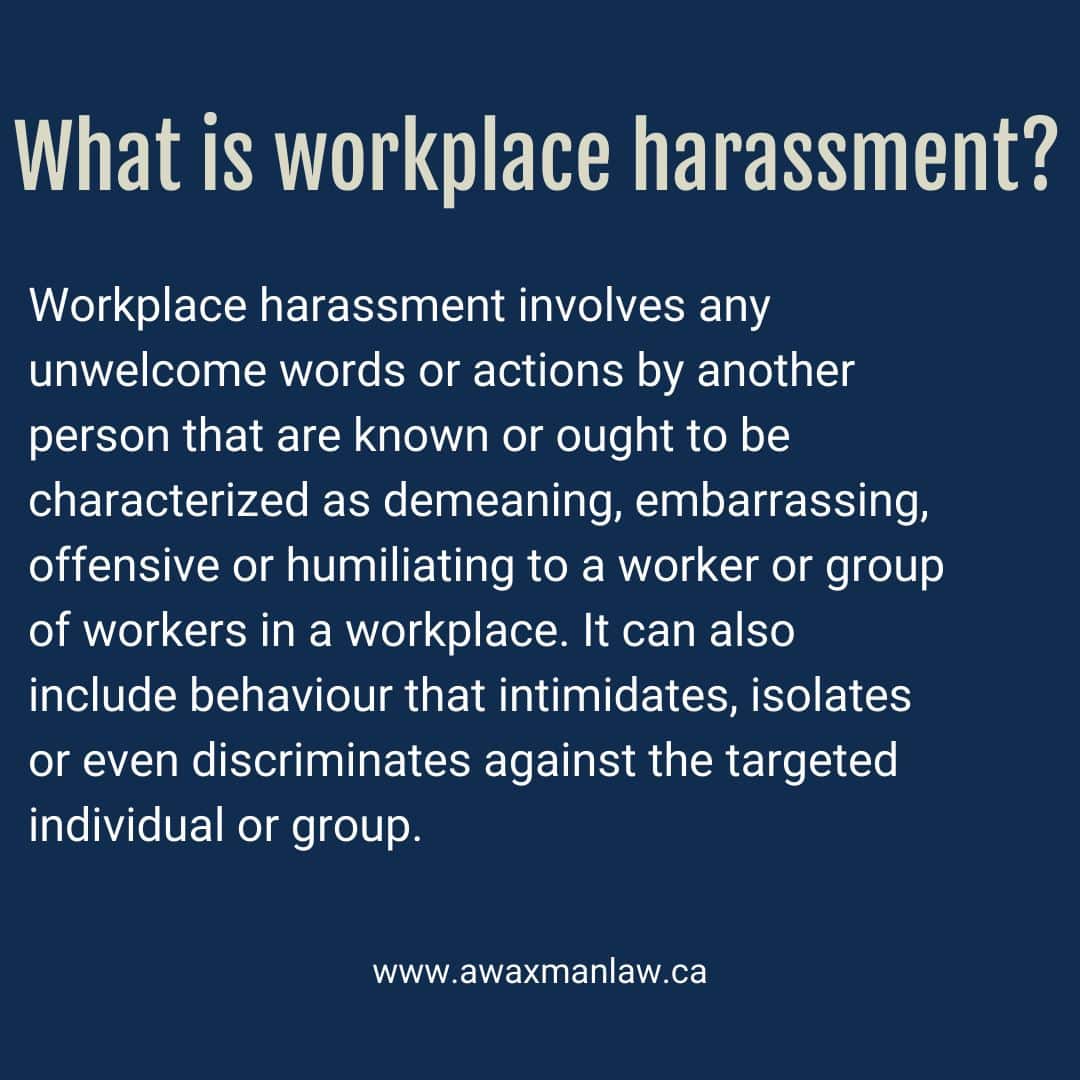
For a long time, I didn’t even call what I went through “workplace harassment.” I told myself it was just part of being apartment building staff, part of dealing with difficult tenants, part of trying to keep the peace in a high-rise apartment building. But when I look at the definition – unwelcome words or actions that demean, embarrass, intimidate, isolate, or humiliate a worker – I see my story written all over it.
My workplace wasn’t an office tower or a job site. It was also where I lived. And the people harassing me weren’t coworkers or supervisors. They were tenants who decided I was an acceptable target, all because they didn’t like how I enforced the rules of apartment living. They broke the rules that caused their eviction, yet somehow it was my fault.
How It Started: The Shift From “Tenant Issues” to Harassment
At first, I tried to handle everything professionally. I documented concerns, followed the Residential Tenancies Act, and communicated clearly. Everything was noted on paper. But the behaviour escalated in ways I never expected.
- I was spoken to in demeaning, condescending tones, as if I didn’t deserve basic respect.
- I was accused of things I didn’t do, with the intention of embarrassing me or painting me as incompetent.
- I was isolated and ignored, especially when I tried to address legitimate issues.
- I was intimidated not by physical threats but by words, posture, and the constant implication that they could make my life harder.
- I was publicly humiliated online, where they twisted events, weaponized personal details, and encouraged others to pile on for just over 9 years on 7 websites.
None of it was “tenant conflict.” It was harassment – targeted, persistent, and designed to break me down.
The Emotional Toll of Being Harassed in Your Own Home
There’s a particular kind of fear that comes from being bullied by someone who lives under the same roof. I felt it every time I heard footsteps in the hallway or a door slam. I felt it when I checked my email, bracing for another complaint, accusation, or demand. I felt it when I stepped outside, wondering if I’d be confronted or recorded.
I didn’t feel safe in the place where I was supposed to feel safest.
And because the harassment came from tenants – people I was legally responsible for – I felt trapped. I couldn’t simply walk away. I couldn’t avoid them. I couldn’t “leave work at work.” My workplace was my home, and my home became a battleground.
I couldn’t do it anymore; the strain was too much. I ended up quitting that job in early July 2018, then I became a hermit for just over 2 years, afraid to leave out of fear of what I could walk into, while I waited for all the legal processes to be over. Hubby and I finally left Ontario in the Fall of 2020!
Legal Actions
- Landlord and Tenant Board Eviction Document released October 3, 2017: TEL-83876-17 (Re), 2017 CanLII 84930 (ON LTB) https://canlii.ca/t/hpbxw
- Divisional Court Document Released April 15, 2019: https://canlii.ca/t/hzs47
- Human Rights Tribunal of Ontario was released on January 22, 2020, after KR & AR didn’t show up for the Hearing by Teleconference: ER v. Liscio, 2020 HRTO 73 (CanLII), <https://canlii.ca/t/j4z4w>, ER v. Liscio, 2019 HRTO 415 (CanLII), <https://canlii.ca/t/hz14r>
The Isolation: When Harassment Makes You Doubt Yourself
One of the most damaging parts of the experience was the isolation. Harassment isn’t just about what’s said – it’s about how it makes you feel.
I found myself:
- Questioning my own judgment, even when I knew I was following the law.
- Feeling embarrassed, as if their behaviour reflected something about me.
- Withdrawing, because I didn’t want to give them more ammunition.
- Losing confidence, not just as apartment building staff, but as a person.
Harassment works by eroding your sense of self. And when it happens in your home, the erosion is constant.
Reclaiming My Voice and Naming What Happened
It took time – and distance – for me to finally name what I experienced: workplace harassment. The definition fits exactly:
- The behaviour was unwelcome.
- It was demeaning, offensive, and humiliating.
- It was meant to intimidate and isolate me.
- It created a hostile work environment, even though the “workplace” was unconventional. I still had rights.
Naming it didn’t erase the harm, but it gave me clarity. It allowed me to stop minimizing what happened. It allowed me to reclaim my narrative instead of living inside theirs.
Why I Speak About It Now
I share this because harassment doesn’t always look like the examples we’re taught. Sometimes it comes from unexpected places. Sometimes it’s wrapped in entitlement, manipulation, or false victimhood. Sometimes it hides behind the idea that “the customer is always right.”
And sometimes, it happens to people like me – people who were just trying to do their job, follow the law, and maintain a peaceful home.
By telling my story, I’m taking back the space that was taken from me. I’m reminding myself – and anyone reading – that harassment is real, even when the power dynamics are unconventional. And I’m showing that healing is possible when we finally call the behaviour what it is.
Discover more from Stella Reddy's Story of Hope
Subscribe to get the latest posts sent to your email.

