
Psychological Impact of the False Allegations and Public Attacks
The documents submitted against me over the past 9 years – including HRTO filings, online posts, and repeated written accusations – were not ordinary complaints. They were deeply personal, emotionally charged narratives built on speculation, distortion, and severe hostility.
They were created to shame and humiliate me in the public eye. Their volume, intensity, and persistence created a psychological environment that no person should ever have to endure. It was a nightmare I am glad I am waking up from!
This page outlines the emotional and psychological impact of those experiences and how they ultimately revealed just how strong I am! You have no idea how grateful I am.
Attacks on Identity and Character
The repeated accusations of racism, discrimination, stalking, and malicious intent struck at the core of my identity. They hurt. Statements such as:
“Stella Reddy has been acting in this racist, prejudice and discriminatory behaviour since June 2016…”
and
“protecting their own Führer, Stella Reddy”
were designed to dehumanize me and redefine who I was in the eyes of others. Being portrayed as someone I am not – and have never been – created a profound sense of violation.
It forced me to confront the emotional weight of being misrepresented in the most extreme ways possible. Instead of simply disagreeing with my actions or decisions, the narratives twisted my character into something unrecognizable.
I had to sit with the reality that these tenants, who were essentially strangers, were assigning motives, behaviours, and intentions to me that bore no resemblance to who I am. I thought, “How could they know me as well as they claim in their content?” That kind of distortion doesn’t just sting – it shakes your sense of self.
Being portrayed through someone else’s warped lens meant grappling with a version of myself that existed only in their imagination. It was unsettling, disorienting, and at times deeply painful.
I found myself questioning how easily a person’s identity can be rewritten by those determined to see them as a villain. Facing that level of misrepresentation required a strength I didn’t know I had, and it forced me to reclaim my own narrative piece by piece.
Chronic Stress From False Narratives
The allegations were not isolated. They were repeated, expanded, and embellished over the 9 years. Claims that I used STAFF-ONLY surveillance to “stalk” a family, or that I orchestrated a coordinated campaign of discrimination, were not just false – they were destabilizing.
Living under the shadow of accusations that had no basis in fact created constant stress. Even when I knew the truth, the fear of how others might interpret these documents lingered. It is exhausting to defend yourself against stories that were never grounded in reality.
Emotional Shock From Extreme and Violent Language
Some statements crossed into territory that no human being should ever have to read about themselves. Lines such as the one below — a claim that they said my husband wanted — were especially devastating:
“They are hoping Stella Reddy has a stroke or commits suicide…”
These words were not only cruel – they were psychologically traumatic. They weren’t written in anger or frustration; they were crafted with intention, meant to wound, intimidate, and break a person’s spirit.
When someone expresses a wish for another human being to suffer a medical crisis or take their own life, it reveals a level of emotional detachment and hostility that is difficult to comprehend.
Reading that someone believes you deserve such an ending forces you to confront a chilling truth: that another person has dehumanized you to the point where your well-being, your safety, and even your life no longer matter to them. It is a kind of psychological violence – an attack not just on your character, but on your very existence.
It also raises an uncomfortable emotional question: What must someone be feeling inside themselves to write something like that?
To wish such harm on another person suggests a level of inner turmoil, resentment, or desperation that has spilled over into cruelty. Recognizing that doesn’t excuse the behaviour, but it does highlight the emotional chaos behind it – chaos that they projected onto me.
It takes time, strength, and support to process the emotional impact of reading such targeted hostility. Words like these linger. They echo, even all these years later.
They force you to rebuild your sense of safety, your sense of worth, and your understanding of how far someone was willing to go to hurt you. And yet, despite the weight of those words, I found my way back to myself – stronger, clearer, and more grounded than before.
Fear, Hypervigilance, and Loss of Safety
Being accused of watching tenants through surveillance cameras or being described as someone who monitors others’ movements created a chilling effect. These weren’t small misunderstandings or exaggerations – they were extreme fabrications that painted me as a person capable of violating the very boundaries I spent my career upholding.
Even though the claims were untrue, the idea that someone believed – and publicly stated – that I was capable of such behaviour left a mark. It made me feel unsafe in my own home and workplace, as if the simple act of doing my job had been twisted into something sinister.
The accusations created a psychological distortion field. Suddenly, I wasn’t just defending my actions; I was defending my character, my ethics, and my basic humanity.
It’s unsettling to realize that someone is willing to imagine you as a threat, and even more unsettling when they try to convince others of that fiction. It forced me to navigate spaces I once felt comfortable in with a new sense of caution, as though I had to prove I wasn’t the person they had constantly invented.
Harm to Relationships and Loved Ones
The attacks did not stop with me. They widened like ripples in a pond, pulling in people who had nothing to do with the situation. My husband, the property owners, managers, lawyers, tribunal members, and even members of my extended family were suddenly named, accused, and framed as enablers or participants in imaginary wrongdoing.
What began as a targeted smear against me became a net cast over anyone connected to my life. Their names were dragged into narratives built on distortion and projection, and each new accusation carried its own weight. It wasn’t just my reputation being twisted – it was theirs too.
This spread the emotional burden outward. It created guilt, fear for their reputations, and a sense of responsibility for harm I did not cause. People who cared about me were left wondering whether they should have done more, or whether simply knowing me had put them at risk of being maligned. That kind of guilt is corrosive, especially when it’s built on lies.
Watching people I loved get pulled into false narratives was one of the most painful parts of the experience. I could shoulder the attacks aimed at me, but seeing others – good, decent people – targeted simply because they stood beside me was a different kind of hurt. It added layers of grief, frustration, and helplessness that lingered long after the accusations faded.
Gaslighting Through Certainty-Based Language
The documents repeatedly used phrases like:
- “There is no argument to this.”
- “It is clear that…”
- “There are no other possible outcomes…”
- “It appears…”
This kind of language wasn’t accidental. It was a deliberate rhetorical style designed to shut down critical thinking and force the reader into the tenant’s predetermined conclusion.
By presenting speculation as fact and framing assumptions as undeniable truths, the tenant attempted to create an illusion of authority and certainty where none existed.
This approach is a subtle but powerful form of gaslighting. It tells the reader, “Don’t question this. Don’t think for yourself. Accept my version of reality because it is the only one that exists.”
When someone repeatedly insists that their interpretation is the only possible truth, it becomes harder to trust your own perception – especially when you’re the target of the narrative.
Over time, this kind of messaging can erode a person’s confidence in their own memory, their own actions, and even their own sanity. You start replaying events in your mind, wondering if you missed something, wondering how your ordinary behaviour could be twisted into something sinister. It creates a mental tug‑of‑war between what you know to be true and what someone else is loudly insisting must be true.
That psychological pressure is part of the harm. It’s not just the accusations themselves – it’s the insistence that you must accept a distorted version of reality simply because someone wrote it with certainty.
Long-Term Emotional Exhaustion
Defending myself against years of false allegations drained my emotional reserves. Every new claim required time, energy, and focus – resources that could have been spent on living my life, doing my work, or simply resting.
Instead, I had to pour that energy into correcting lies, responding to filings, gathering documentation, and proving things that should never have needed proof in the first place.
It wasn’t just the administrative burden. It was the emotional labour of constantly being pulled back into someone else’s hostility. Each accusation forced me to revisit events I had already processed, to re‑explain decisions I had made ethically, and to justify actions that were entirely normal within my role. It was like being trapped in a loop where the same false story kept resurfacing, demanding attention again and again. 9 years is a loooong time!
Maintaining my sense of self in the face of relentless hostility took strength I didn’t always feel I had. When someone repeatedly attacks your character, it chips away at your emotional foundation. You start to feel the weight of defending not just what you did, but who you are. That kind of pressure is exhausting in a way that goes far beyond paperwork or legal responses.
The exhaustion was real. It settled into my body, my thoughts, and my daily routines. But so was my determination to stand in truth.
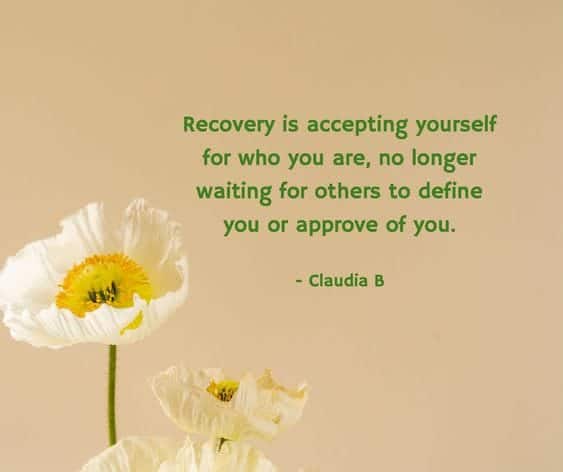
Even when I felt worn down, even when the process felt unfair and unending, I refused to let someone else’s narrative define me. Holding onto the truth – my truth – became both an anchor and a source of strength. It reminded me that no matter how loud the accusations were, they were still lies, and I did not have to carry them as my own.
How This Experience Revealed My Resilience
Despite the emotional weight of these aggressions against me, I did not break. I did not become the person they tried to paint me as. I did not lose myself. I did not become like THEM.
Instead, this experience revealed a strength I didn’t know I had.
- I learned to trust documentation over distortion, even my own anxieties.
- I learned to separate my identity from someone else’s narrative.
- I learned to stand firm in truth, even when lies were louder.
- I learned that resilience is not about being untouched – it’s about rising again, clearer and stronger.
- I learned that my voice, my integrity, and my lived experience matter more than any accusation ever written about me.
These tenants’ actions and words were meant to destroy me. Their intention was clear: to break down my confidence, undermine my integrity, and isolate me through fear and falsehoods. But instead of collapsing under the weight of their accusations, something very different happened. Their behaviour became the catalyst for my growth, clarity, and resilience.
What was meant to weaken me ended up sharpening my understanding of who I am and what I stand for. Every false claim pushed me to strengthen my boundaries. Every hostile email forced me to become more informed, more resilient, and more grounded in truth.
Their attempts to rewrite my character only made me more committed to living authentically and refusing to carry the labels they tried to impose.
In the end, their efforts didn’t destroy me – they revealed me. They showed me my own capacity for endurance, my ability to stay rooted in facts, and my refusal to be defined by someone else’s narrative. What they intended as harm became the turning point that allowed me to reclaim my voice, my story, and my sense of self with more confidence than ever before.
I define myself.
Discover more from Stella Reddy's Story of Hope
Subscribe to get the latest posts sent to your email.

